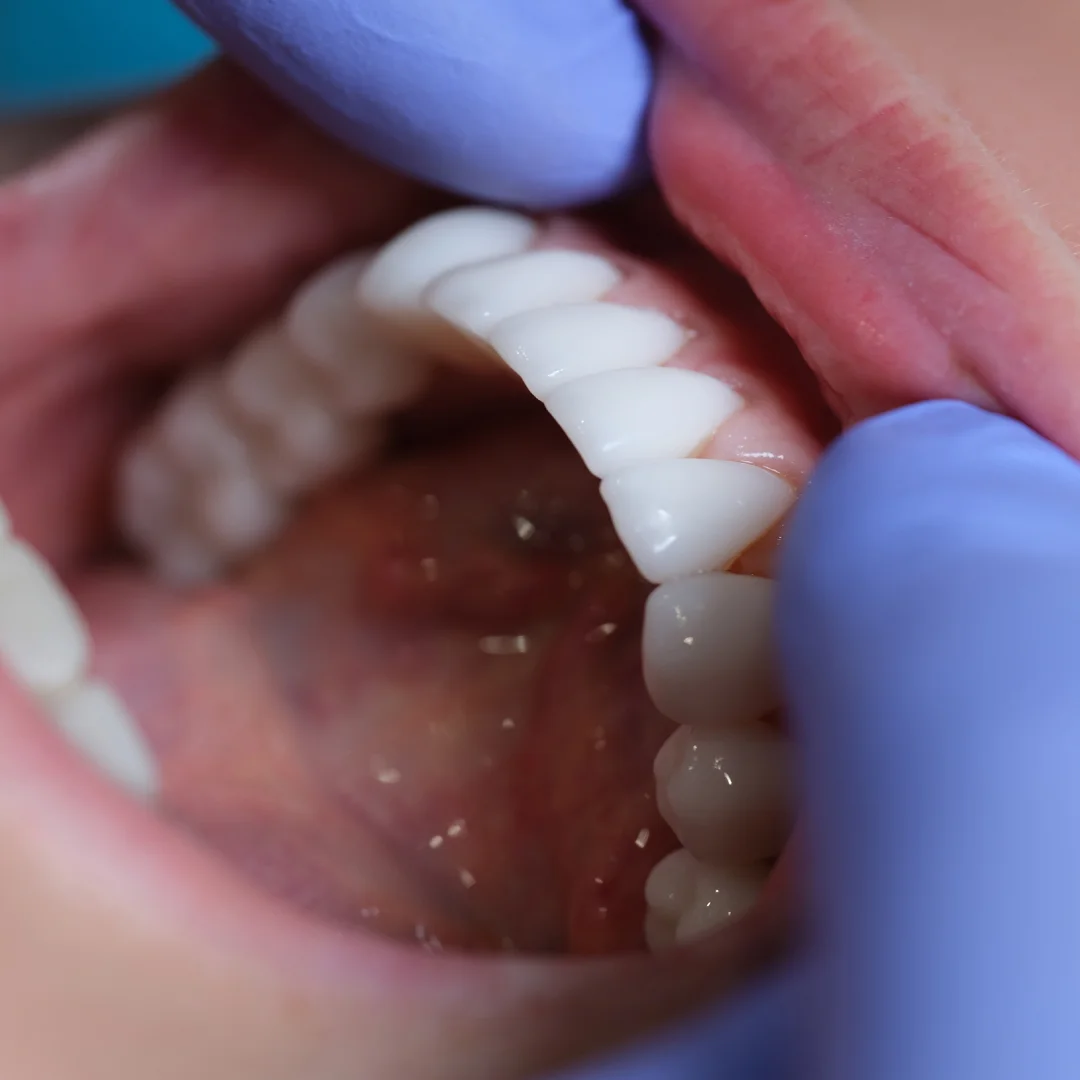

As we age, our oral health needs evolve, requiring specialized attention and care. Understanding these changes and adapting our dental hygiene routine is crucial for maintaining a healthy smile throughout our senior years.
Common Age-Related Dental Changes
Aging brings several natural changes that can affect oral health:
- Dry mouth (xerostomia): Often caused by medications or medical conditions
- Gum recession: Exposing tooth roots and increasing sensitivity
- Tooth wear: Years of use can wear down tooth enamel
- Decreased dexterity: Making oral hygiene more challenging
Essential Dental Care for Seniors
Enhanced Oral Hygiene
Seniors should maintain meticulous oral hygiene with:
- Soft-bristled toothbrushes or electric toothbrushes
- Fluoride toothpaste for enamel protection
- Daily flossing or water flossers for those with limited dexterity
- Antimicrobial mouthwash to combat bacteria
Regular Professional Care
More frequent dental visits may be necessary, typically every 3-4 months instead of the standard 6 months, to monitor and prevent age-related dental issues.
Nutrition and Hydration
Maintaining a balanced diet rich in calcium and vitamins, while staying well-hydrated, supports oral health and helps combat dry mouth.
At Microdental Clinic, we specialize in geriatric dentistry, providing compassionate care tailored to the unique needs of senior patients. Our experienced team understands the challenges of aging and works to ensure comfortable, effective treatment for optimal oral health.